

Dr. Lisa Upton, Southwest Research Institute presents: Solar Cycle 25: What We Predicted — and What We Have Learned:
Predicting the solar cycle depends on understanding how the Sun’s large-scale magnetic field evolves from one cycle to the next. The Advective Flux Transport (AFT) model simulates how magnetic flux from active regions is transported across the solar surface to build and reverse the polar fields — predictions of the polar field evolution was used to forecast the amplitude of Solar Cycle 25. Now that Cycle 25 has progressed through solar maximum, we have the opportunity to compare those predictions with the Sun’s actual magnetic evolution. This comparison highlights both the strengths and limitations of physics-based forecasting. Solar Cycle 25 has proven slightly stronger than originally predicted, due in part to challenges in cross-calibrating polar field measurements from the Wilcox Solar Observatory with space-based magnetograms such as HMI.
Small systematic differences in polar field strength near minimum translated directly into differences in the predicted cycle amplitude, underscoring how sensitive forecasts are to accurate polar field calibration. Finally, with the cycle now entering its declining phase, attention shifts to the processes that will determine the strength of the polar fields at the next minimum. It is during this phase that poleward flux transport, cross-equatorial cancellation, and hemispheric balance shape the magnetic seed for the following cycle.
Dr. Upton will also discuss lessons learned from predicting Cycle 25 and the key physical ingredients that must be carefully monitored as we prepare to forecast the next cycle.
Those steps included learning to plan shoots using astronomy apps and tools, studying composition by analyzing what made the best wide field images work, researching gear and adding a star tracker, and logging hundreds of hours both in the field testing shooting techniques and in post-processing developing an astronomy-specific workflow. The result was images with cleaner detail, richer color, and stronger compositional impact.
Biography
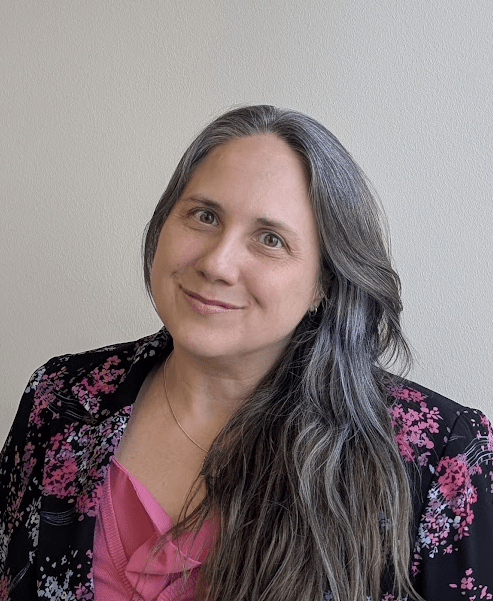
Dr. Lisa A. Upton, a prominent figure in heliophysics, is at the forefront of solar research, exploring the intricacies of the Sun’s magnetic phenomena. With a Ph.D. in Physics from Vanderbilt University, her dissertation focused on “Characterizing and Modeling Magnetic Flux Transport in the Sun’s Photosphere and Determining Its Impact on the Sunspot Cycle.”
Currently, Dr. Upton is a Lead Scientist at Southwest Research Institute in Boulder, Colorado, where she has worked since February 2022. Dr. Upton has been instrumental in the development and continual refinement of the Advective Flux Transport (AFT) Surface Flux Transport model, which simulates the evolution of the magnetic field on the surface of the Sun. Alongside David Hathaway, she is one of the original authors of this model, which serves as a critical tool for investigating solar flux transport processes, providing solar cycle predictions, and investigating the far-reaching impacts on space weather.
Dr. Upton’s expertise is also recognized through her service on numerous prestigious committees, including the NASA Heliophysics Advisory Committee and the AAS Solar Physics Division’s Committee. She has also played a key role as the co-chair of the Solar Cycle 25 Prediction Panel. In recognition of her outstanding contributions to solar physics, Dr. Upton was honored with the 2025 Karen Harvey Prize.
Despite her rigorous research schedule, Dr. Upton is committed to education and public outreach. She maintains the solarcyclescience.com website, a platform dedicated to sharing solar knowledge and data to both the scientific community and the general public. Moreover, she has mentored numerous students and postdoctoral fellows, many of whom have published significant research under her guidance. As a mother of two, she also serves as a role model for women in Heliophysics.
Meeting details
All NOVAC members, guests, and the public are welcome to attend — no RSVP required. You can attend the meeting virtually via Google Meet. Sign on at 4 pm to connect with fellow astronomers. The meeting starts at 4:30 with club information and general announcements. Program speaker starts at 5:00 pm.
We are NOT meeting at GMU for the September meeting
Join Virtually
Google Meet
meet.google.com/cbf-jusw-dsm
Dial In
+1 252-344-1407 PIN: 937 923 741
Meeting Schedule
4:00 PM – Open participant discussion
4:30 PM – NOVAC news, announcements, and upcoming events
5:00 PM – Presentation
This program will be recorded and available a few days after the meeting on the Northern Virginia Astronomy Club YouTube channel
You must be logged in to post a comment.